Blog
Rehabilitation After Meniscus Surgery
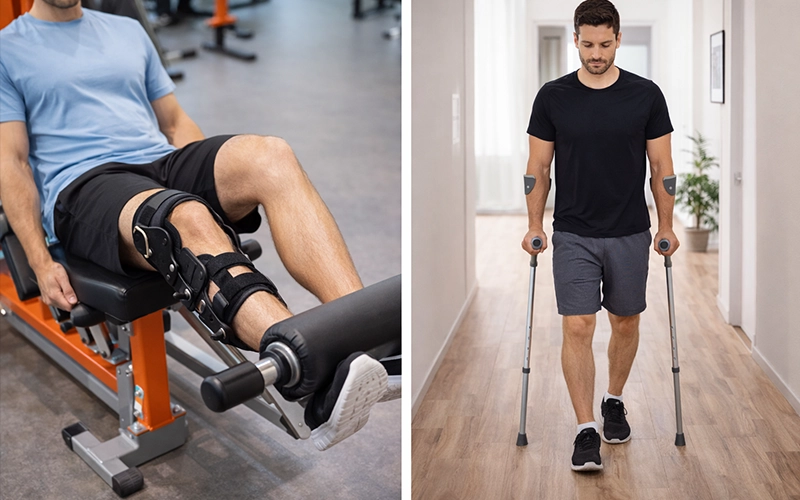
Meniscus surgery is a key procedure for treating meniscus tears, especially when the tear is localized and not associated with ligament damage. Post-surgery rehabilitation plays a crucial role in restoring function, mobility, and reducing the chances of further complications. The rehabilitation process is designed to strengthen the knee, reduce swelling, and gradually restore full range of motion.
Initial Rehabilitation Phase: Use of Braces and Swelling Control
If the tear is small and isolated, a hinged brace is used after the surgery. This brace helps to protect the knee and supports the healing of the meniscus. To control swelling, patients are advised to elevate the leg and use compression bandages. These measures are essential in managing inflammation and supporting the healing process in the early stages.
Starting Exercises: Static Quadriceps Strengthening and Limb Elevation
Right from the day after surgery, patients begin basic rehabilitation exercises. Static quadriceps exercises are introduced to help control the lower limb, followed by leg elevation. These exercises help improve muscle control in the lower extremities. As the patient regains muscle strength, they are gradually encouraged to start standing and moving around, with proper support.
Progressive Exercises: Knee Flexion and Strengthening
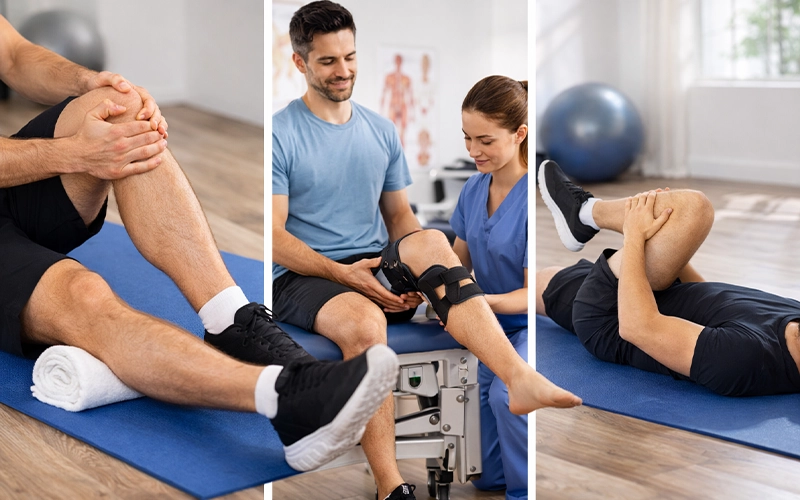
In the first three weeks post-surgery, the knee can gradually be bent up to 90 degrees, which is important for maintaining flexibility and preventing joint stiffness. As the rehabilitation process progresses, more advanced strengthening exercises for the quadriceps are incorporated. In addition, patella mobilization, proprioception exercises, and weight-bearing exercises such as stationary cycling and swimming are added to the routine. These activities help improve the knee’s range of motion and promote recovery.
Six Weeks to Full Mobility: Gradual Return to Daily Activities
After six weeks, most patients can walk normally. However, if the meniscus tear was more extensive, the recovery period may extend by another four to six weeks. In such cases, additional rehabilitation exercises are necessary, and the patient may take up to three months to fully return to normal activity without assistance.
When Meniscus Tears Are Irreparable
In cases where the tear is too large to be repaired, surgery may involve removing the torn pieces of the meniscus or even removing the entire meniscus. Post-surgery rehabilitation begins early, but heavy sports and strenuous activities are generally avoided for up to three months. Patients are advised to gradually resume normal activities to ensure that the knee heals properly without overloading the joint.
Conclusion: Importance of Rehabilitation
Rehabilitation after meniscus surgery is vital for a successful recovery. By following a tailored exercise plan and maintaining strict adherence to the prescribed rehabilitation program, patients can significantly improve their knee function and return to their normal activities. Strengthening the muscles around the knee joint, improving mobility, and gradually rebuilding muscle control are essential components of a successful rehabilitation plan.