Blog
Exercises for Treating Scoliosis at Home

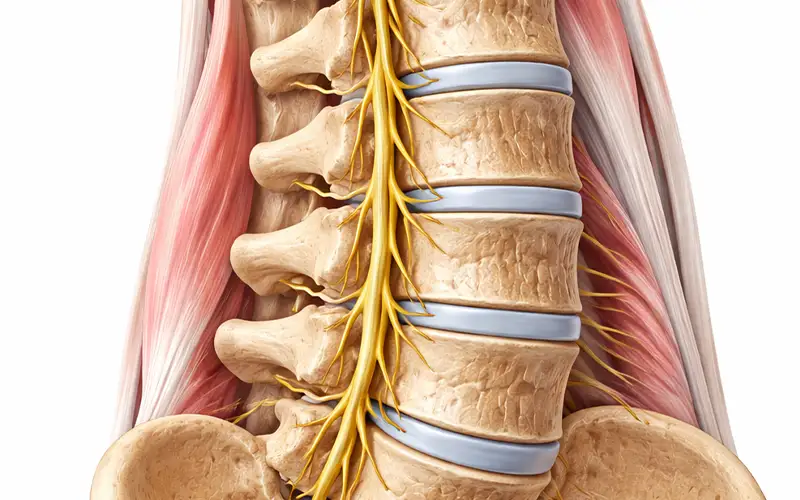
Improvement and rehabilitation of the spine and lower back through the best exercises for scoliosis focus on strengthening the core and back muscles, helping to improve spinal posture.
While exercise is beneficial and effective for everyone, it is just as important for individuals with scoliosis—if not more so. A common misconception is that people with scoliosis should stop exercising, abandon physical activity, and remain sedentary. In reality, proper exercise—just like for the general population—can help those with scoliosis to the same extent, if not more.
What is Scoliosis?
Scoliosis is an abnormal lateral curvature of the spine, forming an S or C shape. This condition can occur at any age, but it is most common during childhood and adolescence. Orthopedic specialists often recommend a conservative “wait-and-see” approach for patients with mild spinal deviation (less than 20 degrees). With this approach, patients are monitored every few months to determine whether the curvature worsens or remains stable. However, many patients and spine specialists prefer a more active approach, where exercise plays a crucial role.
Why Should People with Scoliosis Exercise?
Exercise for scoliosis treatment at home is effective when performed alone or alongside other treatments, such as wearing a brace. “Exercise can build and maintain core strength, which protects the spine.”
Building and maintaining core strength is essential because stronger muscles provide more stability to the spine. Therapeutic exercise for scoliosis can:
-
Reduce symptoms like pain, fatigue, and trunk asymmetry,
-
Slow or even stop the progression of scoliosis,
-
Increase flexibility and mobility,
-
Improve muscle strength and endurance,
-
Enhance lung function and breathing,
-
Prevent instability caused by the gradual deterioration of the spine.
Best Exercises for Scoliosis
The best exercises for scoliosis are a combination of stretching and strengthening exercises. Stretching exercises improve flexibility, which reduces stiffness in the spine and increases the range of motion. Strengthening exercises build muscle strength and endurance in the spine, helping to reduce the progression of scoliosis and alleviate back pain and discomfort.
Many exercises specifically designed for scoliosis treatment can be performed by individuals of all ages, though goals and techniques are often adapted based on the person’s age.
Exercises for Scoliosis in Children
If a child has idiopathic scoliosis, they can still participate in activities and sports they enjoy. An exercise program helps children develop good movement and posture habits, which protect their growing spine.
“Most children with scoliosis do not experience pain from it. With this in mind, most exercises for scoliosis in children focus on neuromuscular control to improve spinal symmetry, strengthen, and realign the upper trunk.”
Recommended exercises for children with scoliosis include:
-
Bird-dog stretches
-
Abdominal presses with both feet
-
Planks in a supine position
-
Leg lifts while lying on the back
-
Pelvic rotations
-
Cat-camel stretches
Exercises for Scoliosis in Adolescents
For adolescents with idiopathic scoliosis (AIS), exercises can help address muscular imbalances, posture changes, gait deviation, and decreased flexibility.
If scoliosis is visibly noticeable in adolescents, some may experience negative body image and low self-esteem.
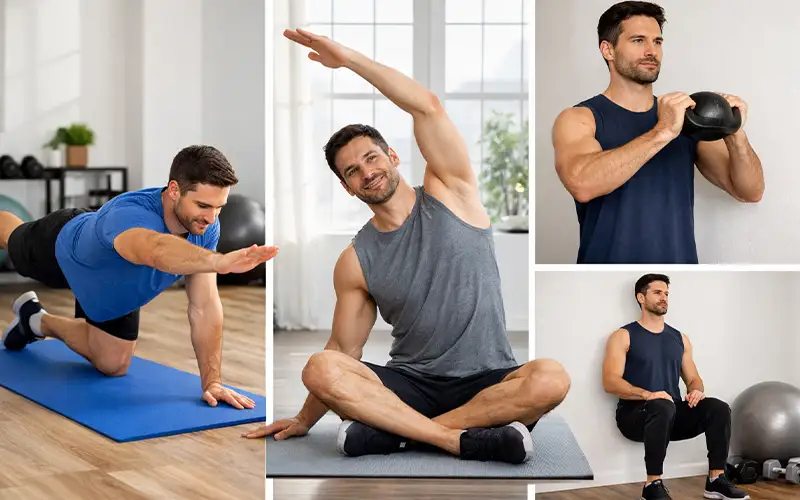
Strengthening exercises for the back and core include movements that activate muscles in the shoulders and back while keeping the spine in a stable position. These exercises include:
-
Wall sits
-
Seated spinal twists
-
Planks
-
Pelvic rotations
-
Russian kettlebell lifts (with or without assistance)
Low-impact exercises such as Pilates, yoga, and Tai Chi can improve trunk flexibility and range of motion. Some scoliosis-specific programs, like the Schroth Method, have been shown to reduce scoliosis in adolescents.
Exercises for Scoliosis in Adults
Adults who did not have scoliosis during adolescence may develop it later in life. Over time, wear and tear on the spine’s joints and discs, loss of soft tissue elasticity, and gradual degeneration of facet joints can cause spinal stiffness. Exercise programs for scoliosis in adults initially focus on improving flexibility and range of motion to reduce stiffness in the spine.
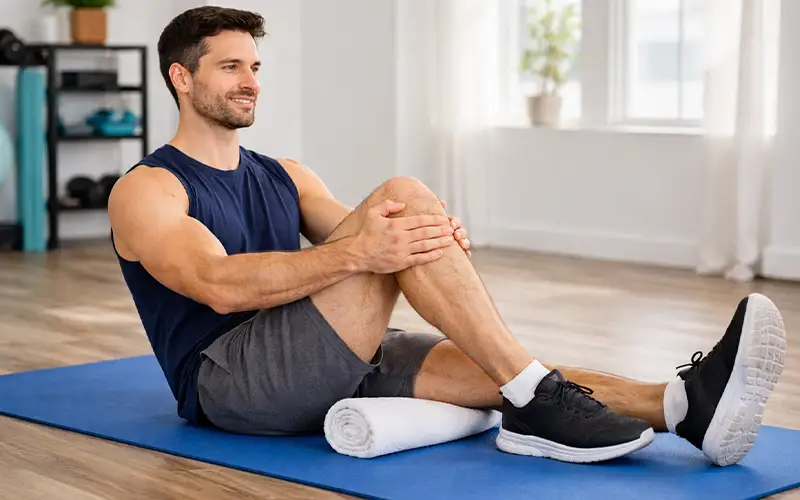
Stretching exercises for scoliosis in adults include:
-
Seated upper body twists
-
Cat-cow movements
-
Child’s pose stretches
-
Hip flexor stretches while seated
-
Butterfly stretches while seated
Once flexibility improves, strength training exercises can be used to stabilize the spine and reduce pain and discomfort.
“Exercises focusing on core strength to protect the spine are recommended for adults to help manage pain caused by degenerative scoliosis.”
Strength exercises for scoliosis in adults include:
-
Bird-dog movements
-
Pelvic rotations
-
Raising arms and legs
-
Plank exercise
-
Glute bridge exercise
-
Hip thrust movements
-
Resistance band strength training
Exercises for Scoliosis in Seniors
Approximately 68% of individuals over 65 years old may have scoliosis. In older adults, scoliosis may occur due to the gradual degeneration of the spine discs, causing a tilt in the vertebral column. Degenerative scoliosis in older individuals can cause back and leg pain, limiting mobility. Exercise for seniors with scoliosis initially focuses on targeted stretches to reduce spinal tension and improve flexibility. After flexibility improves, strength-building exercises are introduced to improve balance, posture, and overall strength. Since older adults are at higher risk of falling, maintaining balance is critical.
Recommended exercises for seniors with scoliosis include:
-
Wall stretches
-
Child’s pose stretches (kneeling and bending the trunk forward)
-
Supine hip flexor stretches
-
Overhead stretches
-
Sitting on an exercise ball
-
Standing on one leg
-
Yoga
-
Pilates
-
Tai Chi
Modern Approaches for Scoliosis Treatment
Modern methods for improving scoliosis involve a specialized exercise program that uses a three-dimensional approach to address three anatomical planes of the spine: sagittal (front to back), axial (rotational), and frontal (side to side). This method focuses on:
-
Increasing patient awareness of their posture,
-
Building muscle strength and endurance,
-
Improving respiratory function and lung capacity,
-
Enhancing body posture,
-
Reducing pain from muscular imbalances,
-
Preventing the progression of curvature.
Specialized physiotherapists provide individualized programs for each patient based on their age and specific scoliosis pattern. These exercise programs include:
-
Low-impact movements in standing, sitting, and lying positions
-
Using tools like therapy rods, balls, and resistance bands
-
Exercises for angular and rotational breathing (RAB)
-
Posture correction techniques
Physiotherapists encourage patients undergoing this treatment to apply these techniques in daily activities like standing, sitting, and walking. Studies have shown that 88% of adolescents who underwent six months of physiotherapy had no progression of their scoliosis, or the curvature even decreased. Additionally, participants showed improved muscular endurance and better body image. Another study showed that adults who participated in exercise programs experienced a significant reduction in pain and improvement in flexibility and mobility.