
Blog
Important Post-Discharge Care After Hip Replacement Surgery

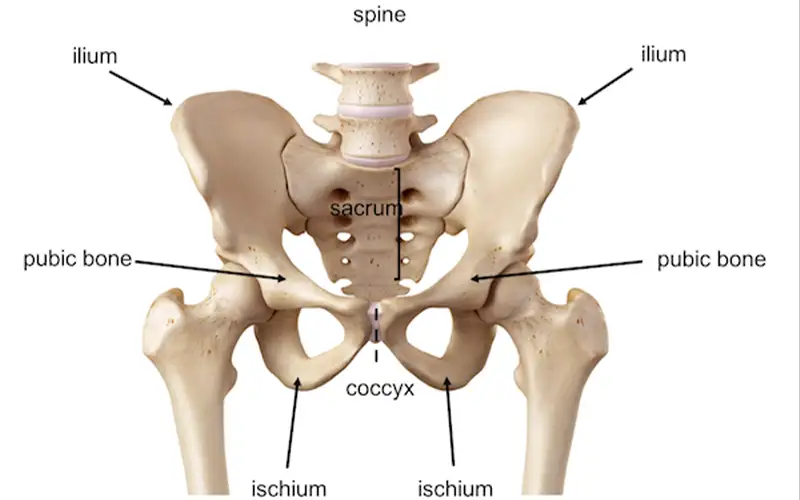
Postoperative care after hip replacement surgery plays a crucial role in achieving optimal surgical outcomes, reducing pain, preventing complications, and enabling patients to return to daily activities without limitations. Strict adherence to the surgeon’s instructions and the healthcare team’s recommendations—especially during the first weeks and months after surgery—is essential. The following are key post-discharge care guidelines.
Walking at Home After Hip Replacement Surgery
After discharge, it is important to walk regularly at home, but in a controlled and gradual manner. A structured routine of rest, sitting, and walking is recommended. For example, after one hour of rest, sit for 10 minutes, then walk for 10 minutes, sit again for another 10 minutes, and then return to bed. Gradually, the duration of sitting and walking can be increased over time.
During the first days after surgery, the risk of falling is higher, so walking with the assistance of a caregiver is strongly advised. When using a walker, place the walker forward first, then move the operated leg, and finally advance the healthy leg.
Prevention of Pressure Ulcers
In elderly patients or those with limited mobility, special attention should be paid to preventing pressure ulcers, particularly in the buttocks, back, and heels. Frequent position changes during sleep, avoiding prolonged pressure on bony prominences, and keeping the skin dry are very important.
To reduce the risk of pressure ulcers, measures such as using talcum powder, allowing proper air circulation to vulnerable areas, using pressure-relief mattresses for low-mobility patients, and caring for areas with friction or superficial wounds are recommended. While lying in bed, placing a rolled towel under the ankle helps keep the heel elevated and prevents redness or skin breakdown.
Going Up and Down Stairs
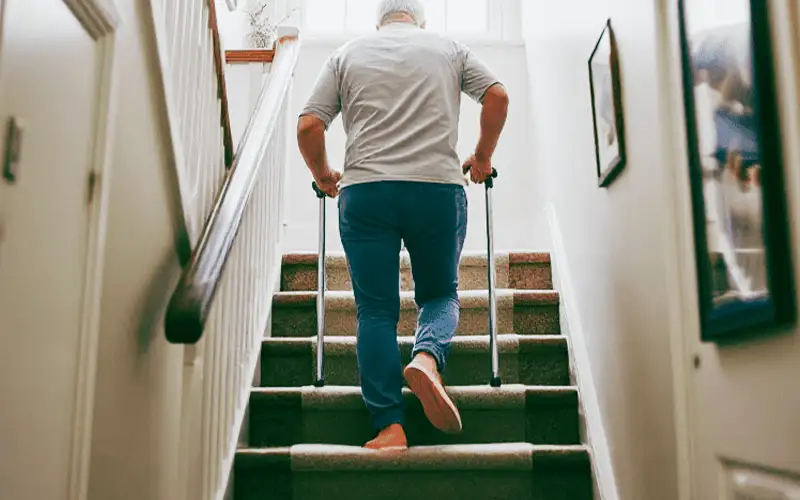
If stair use is necessary, proper technique must be followed. When going upstairs, step up first with the healthy leg, followed by the operated leg. When going downstairs, move the operated leg first, followed by the healthy leg. This sequence helps reduce stress on the new hip joint.
Medications and Injections
All prescribed medications should be obtained and taken exactly as directed by the physician. Before discharge, show your medications to the nursing staff to receive proper guidance. Clexane injections must be obtained as a foreign (imported) brand.
Wound Dressing and Bathing
Your surgical dressing is waterproof, and you may shower after discharge. This dressing does not need to be changed until your follow-up visit. It is advisable to request an extra dressing from the nursing staff before leaving the hospital.
After discharge, daily showers are permitted. Shower while seated on a stable chair or raised toilet seat and with assistance from a caregiver. Be cautious to avoid slipping and avoid bending forward during bathing.
Anti-Thrombosis Stockings
Anti-embolism or compression stockings must be worn for one month after surgery. After every one hour of use, they may be removed for two hours. These stockings can be washed. Assistance from a caregiver is recommended when putting them on.

Returning Home After Discharge
For transportation home, it is recommended to sit in the front passenger seat of the car. Use only a small cushion on the seat to ensure proper sitting posture.
Physiotherapy and Swelling Control
Physiotherapy sessions begin immediately the day after discharge. To coordinate your sessions, contact the clinic receptionist as instructed.
Applying heat packs to the operated limb is strictly prohibited. To reduce swelling, cold packs (ice packs) should be used instead.
Precautions to Prevent Hip Dislocation
Hip replacement surgery requires specific precautions to prevent joint dislocation and other complications. During the first weeks after surgery, be especially careful to avoid falls. Sitting on low or very soft surfaces is prohibited for several months.
Chairs, beds, and toilet seats should be at an appropriate height so that when sitting, the hip joint is positioned higher than the knees. If furniture is too low, increase its height using cushions or mattresses. Raised toilet seat aids should be used. Avoid sitting on very soft sofas where the seat sinks excessively.
When sitting down or standing up, place the operated leg slightly forward so that more weight is placed on the healthy leg. Sitting or sleeping on the floor and using squat (traditional) toilets are prohibited for at least one year after surgery.
Restriction on Forward Bending
During sitting, standing, or lying in bed, avoid bending forward. The angle between the trunk and the thighs should never be less than 90 degrees. Observing this precaution is essential to prevent hip dislocation.
Follow-Up Appointment
For postoperative evaluation, wound assessment, and suture removal, a follow-up visit is usually scheduled two to three weeks after surgery. However, the exact timing should be confirmed individually with your surgeon.