
Blog
Medical Treatments for Osteoarthritis

The primary goal of medical treatment in osteoarthritis is pain relief and minimizing functional limitations and physical activity restrictions experienced by the patient. Unlike surgical treatments such as total knee replacement—which may lead to near-complete recovery—medical (non-surgical) treatments focus on symptom control and improving quality of life rather than providing a definitive cure.
Non-Pharmacological Treatments for Osteoarthritis
Non-drug interventions form the foundation of osteoarthritis management and play a crucial role in reducing stress on the affected joint. These measures include:
-
Reducing load on the painful joint
Patient education regarding proper movement, sitting, standing, and daily activities helps decrease mechanical stress on the involved joint. -
Weight reduction
Weight loss, especially in patients with knee or hip osteoarthritis, significantly reduces pain and may slow disease progression. -
Proper use of assistive devices
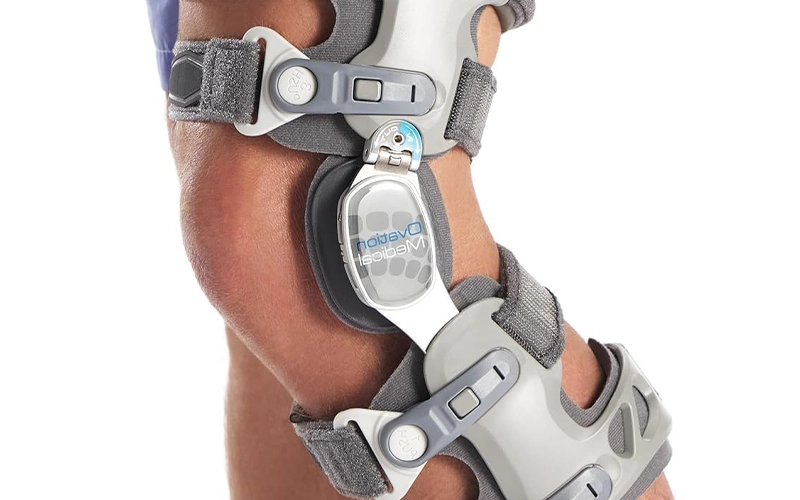
Correct use of canes, braces, and other supportive aids helps reduce joint load and improve stability. -
Isometric exercises
Isometric strengthening exercises for muscles surrounding the affected joint improve joint stability and reduce pain. -
Lifestyle modifications
Changes such as using a Western-style toilet, praying while seated, working at a desk, and avoiding excessive knee flexion can significantly reduce joint stress.
Pharmacological Treatment in Osteoarthritis
Drug therapy is generally used as an adjunct to non-pharmacological measures and aims to control pain and inflammation. Treatment options include:
-
Acetaminophen (Paracetamol)
Commonly used as a first-line medication for mild to moderate osteoarthritis pain. -
Non-Steroidal Anti-Inflammatory Drugs (NSAIDs)
Medications such as ibuprofen and diclofenac are effective in reducing pain and inflammation but should be used cautiously based on patient conditions. -
Topical medications
Topical anti-inflammatory agents such as piroxicam gel or cooling gels are used for localized pain relief. -
Intra-articular glucocorticoid injections
In cases of acute arthritis, intra-articular corticosteroid injections may provide significant pain relief; however, this effect is usually temporary, and repeated injections may lead to adverse effects. -
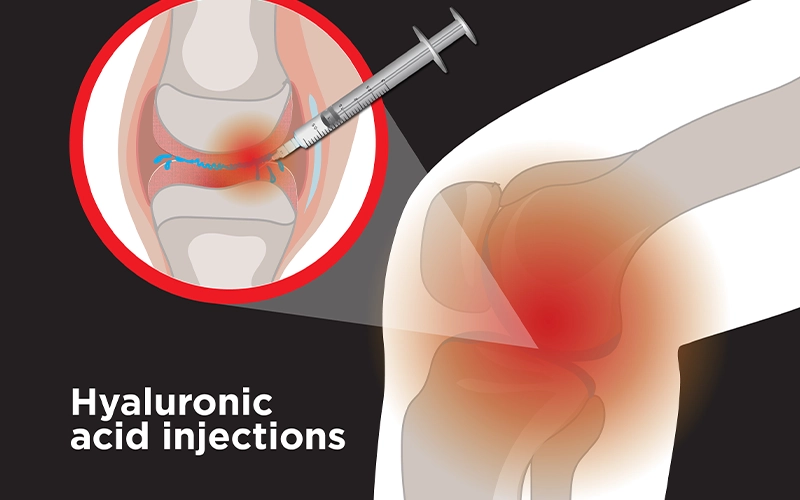
Intra-articular hyaluronic acid injections
These injections may be used in several consecutive sessions to relieve pain in symptomatic knee and hip osteoarthritis and may result in partial symptom improvement in some patients. -
Supplements and herbal compounds
Products containing glucosamine and chondroitin, as well as herbal preparations such as piascledine, turmeric, avocado, devil’s claw, ginger, and oleaster, are widely marketed and consumed. Although they do not have definitive, proven therapeutic effects, some patients report temporary and partial symptom relief. These options are particularly considered in patients with gastrointestinal, renal, or hepatic conditions where conventional analgesics cannot be safely prescribed. -
Systemic glucocorticoids
Systemic corticosteroids do not provide sustained benefits in osteoarthritis treatment and, similar to intra-articular injections, are only effective at very limited doses for controlling acute inflammation. -
PRP and Orthokine therapies
Despite their high cost and extensive marketing as definitive treatments for osteoarthritis, these methods—apart from providing temporary pain relief in some cases—have not demonstrated proven, long-term therapeutic efficacy.
Conclusion
Medical treatment of osteoarthritis focuses on pain control, inflammation reduction, and preservation of joint function. A combination of non-pharmacological measures, targeted medication use, and lifestyle modification can significantly improve patients’ quality of life. However, in advanced cases, surgical treatment options may be more effective.