Blog
Indications for Hip Replacement Surgery
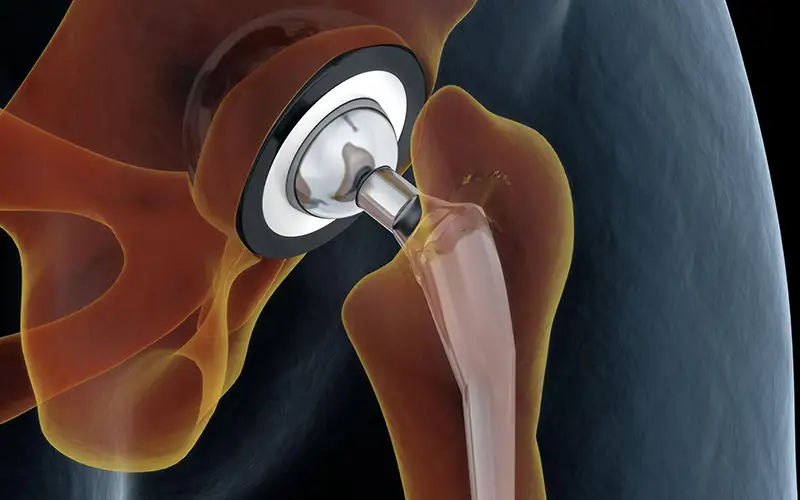
Hip replacement surgery is one of the most successful reconstructive joint procedures in orthopedic medicine. This surgery is performed to reduce pain, correct movement limitations, and restore the normal function of the hip joint. The hip joint is one of the most important joints in the human body, playing a major role in standing, walking, maintaining balance, and performing daily activities.
When the hip joint can no longer maintain its normal function due to disease, injury, or severe degeneration, hip replacement surgery may be considered as an effective treatment option.
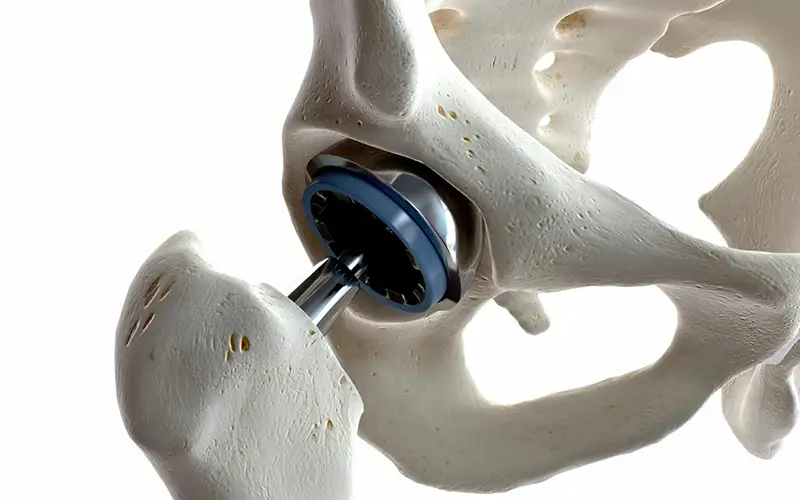
Understanding the indications for hip replacement surgery helps patients recognize the appropriate time to seek treatment. During this procedure, damaged parts of the hip joint are replaced with artificial components to improve mobility and reduce pain.
However, hip replacement is not recommended for every patient. It is usually considered when other treatment methods, such as medication, physical therapy, weight management, lifestyle modification, and non-surgical treatments, fail to provide sufficient relief.
The most important conditions that may lead to the need for hip replacement surgery include:
Severe Osteoarthritis and Femoral Head Degeneration
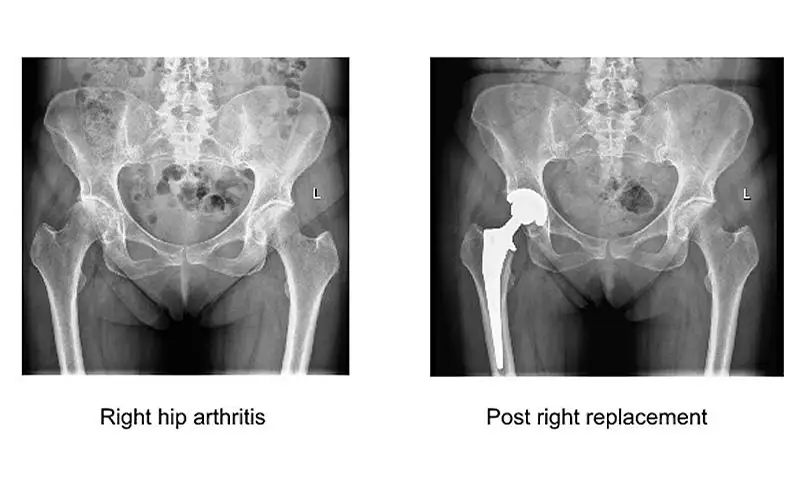
One of the most common indications for hip replacement surgery is advanced osteoarthritis or severe joint degeneration. In this condition, the cartilage covering the femoral head gradually wears away.
This cartilage normally allows smooth movement between the bones and reduces friction inside the joint. As cartilage thickness decreases, the space between bones becomes smaller, causing direct bone-to-bone contact, inflammation, pain, and reduced mobility.
Patients may experience pain while walking, climbing stairs, sitting for long periods, or even during rest. In advanced stages, deformity of the femoral head may occur, leading to further loss of joint function.
When conservative treatments no longer provide adequate improvement, the need for hip replacement surgery becomes more evident. This procedure can significantly reduce pain and improve the patient’s ability to perform daily activities.
Severe Damage or Degeneration of the Acetabulum
The hip joint consists of two main components: the femoral head and the acetabulum, which acts as a socket that holds the femoral head. The proper function of the hip depends on the health and stability of both structures.
In some patients, the primary damage occurs in the acetabulum. Severe wear of this area can interfere with smooth movement of the femoral head and increase pressure on the surrounding bones.
This condition may cause:
- Pain during movement
- Reduced range of motion
- Hip stiffness
- Difficulty performing daily activities
When acetabular damage progresses significantly, total hip replacement may be required to replace the damaged joint surfaces and restore normal movement.
Femoral Neck Fracture or Pelvic Fractures in Elderly Patients
Femoral neck fractures are among the most common injuries in elderly individuals, especially those with osteoporosis. Due to reduced bone density and weakened bone structure, these fractures may not heal properly in some patients.
In certain elderly patients, fixation methods using screws or plates may not provide successful results because the bone may fail to unite properly or blood supply to the femoral head may become compromised.
In such situations, physicians evaluate the indications for hip replacement surgery based on the patient’s age, overall health, fracture severity, and bone condition.
Hip replacement may allow earlier mobility, reduce the risks associated with prolonged immobilization, and improve the patient’s quality of life.
Rheumatoid and Inflammatory Hip Joint Diseases
Certain autoimmune and inflammatory conditions can gradually damage the hip joint. Diseases such as rheumatoid arthritis, lupus, and ankylosing spondylitis may affect the hip and lead to progressive joint destruction.
Long-term inflammation can damage cartilage, alter bone structure, and reduce joint mobility. Patients may experience:
- Chronic hip pain
- Morning stiffness
- Limited movement
- Reduced ability to perform daily activities
If joint damage becomes severe and medical treatments cannot control symptoms effectively, hip replacement surgery may help reduce pain and restore functional ability.
Trauma, Fractures, and Untreated Hip Dislocations
Severe injuries caused by accidents, falls, or sports-related trauma can result in hip fractures or dislocations.
If these injuries are not diagnosed promptly or are not treated appropriately, they may lead to complications such as:
- Bone deformity
- Joint instability
- Early-onset arthritis
- Long-term pain
In some cases, even after initial treatment, the joint may lose its normal function due to severe structural damage.
In these situations, evaluating the indications for hip replacement surgery helps orthopedic surgeons determine the most appropriate treatment approach.
Nonunion or Malunion of Hip Fractures
After fractures around the hip and pelvis, bones do not always heal correctly. Failure of bone healing (nonunion) or healing in an incorrect position (malunion) can create significant functional problems.
These complications may result in:
- Leg length discrepancy
- Abnormal walking patterns
- Pain during physical activity
- Reduced mobility
If bone correction is not possible or the joint has suffered severe damage, hip replacement surgery may be considered to improve the patient’s condition.